Coastal Development
Norway has the second longest coastline in the world. This unique coastline comprises magnificent landscapes, fascinating marine ecosystems, world-class resources and historic coastal communities. SALT provides the interdisciplinary competence needed to secure proactive coastal development and to ensure sustainable management of our shared resources – today and in the future.
⠀
Projects


Publications
News
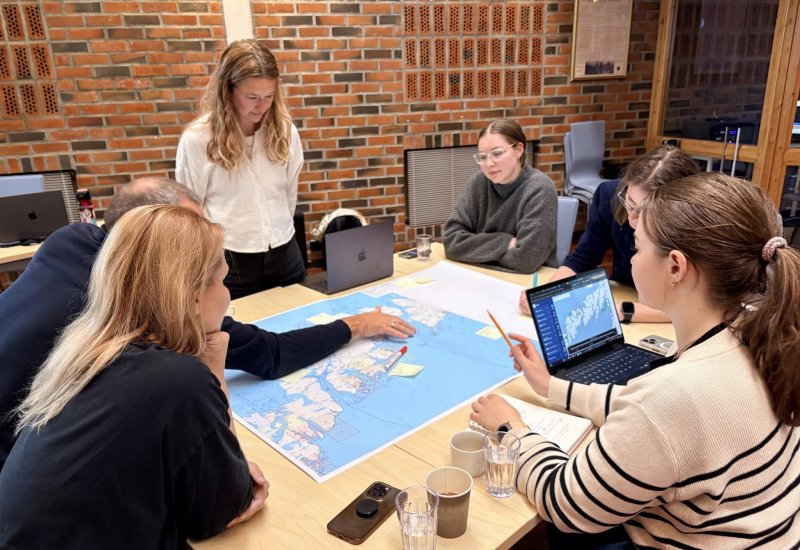
Where should you start when mapping marine nature types in Lofoten?
That is one of the questions addressed in the pilot project One Lofoten – One Sea, commissioned by the Lofoten Council (Lofotrådet). Last week, we brought stakeholders together for a workshop in Leknes to gather input on priority areas for future marine mapping. The pilot project, funded by the Norwegian Environment Agency, will result in a plan for a main project on marine mapping in the region. While Lofoten has some of Norway's most valuable and vulnerable marine areas, there is still a great need to map the biodiversity beneath the sea surface.
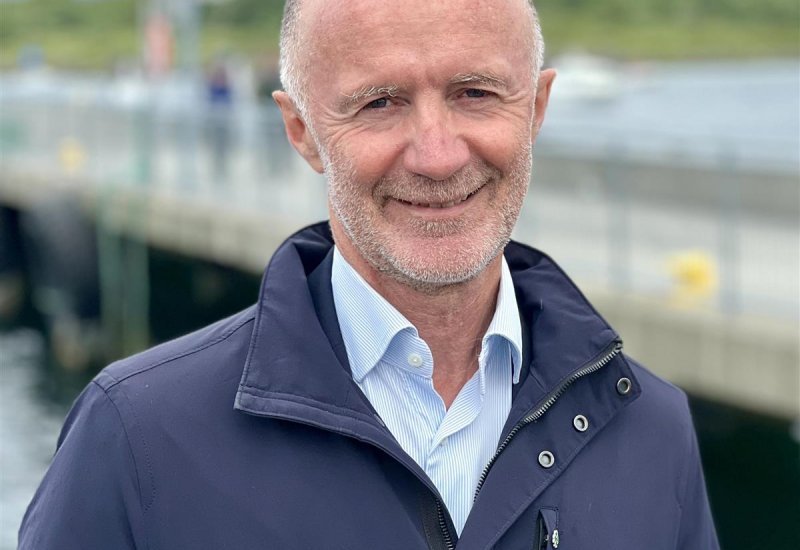
A new study by SALT and Menon Economics identifies several opportunities for economic development and job creation in fishing communities in Nordland as the industry faces lower cod quotas.
“The feasibility study builds on the municipalities’ own strengths and ideas, and shows that there is both optimism for the future and concrete opportunities for further development in coastal communities,” says Svein Øien Eggesvik, Nordland County Councillor for Business and Industry.The report was commissioned by Nordland County Council and explores opportunities for development in the municipalities of Øksnes, Moskenes, Flakstad, Værøy and Røst.
According to a press release from the county council, cited by NRK, the report identifies several potential areas for development, including local seafood processing, better utilisation of marine resources, sustainable tourism and stronger cooperation between local stakeholders.These initiatives could help create greater value, generate new jobs and build more resilient coastal communities at a time when lower cod quotas are putting increased pressure on the fishing industry.
“We will now take a closer look at the report and consider how we can contribute to positive development in cooperation with the municipalities,” Eggesvik says.
Photo: NCC