Projects
News
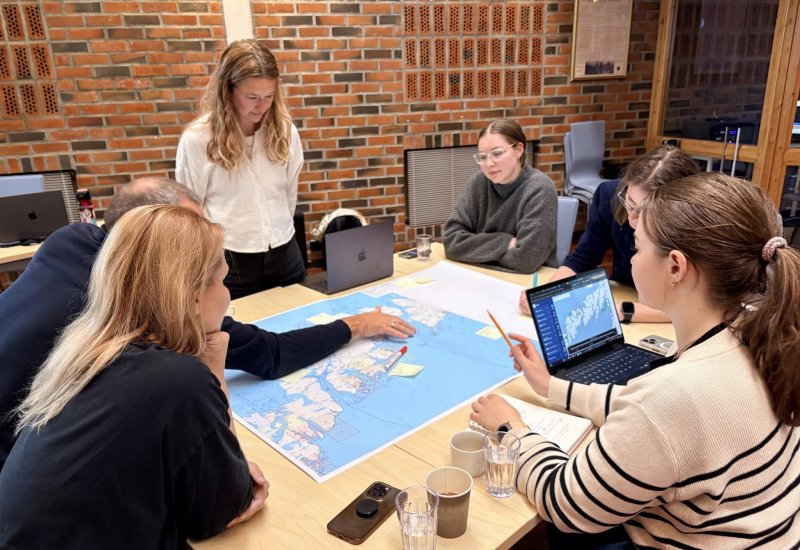
Where should you start when mapping marine nature types in Lofoten?
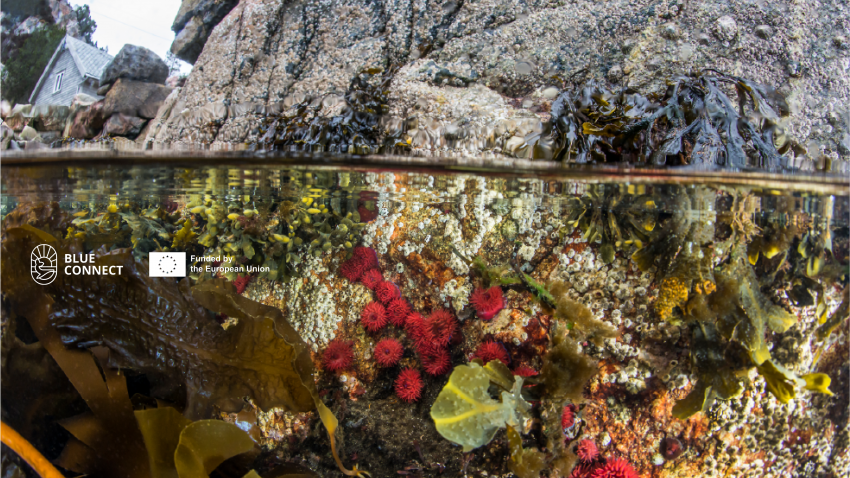
That is one of the questions addressed in the pilot project One Lofoten – One Sea, commissioned by the Lofoten Council (Lofotrådet). Last week, we brought stakeholders together for a workshop in Leknes to gather input on priority areas for future marine mapping. The pilot project, funded by the Norwegian Environment Agency, will result in a plan for a main project on marine mapping in the region. While Lofoten has some of Norway's most valuable and vulnerable marine areas, there is still a great need to map the biodiversity beneath the sea surface.
A new study by SALT and Menon Economics identifies several opportunities for economic development and job creation in fishing communities in Nordland as the industry faces lower cod quotas.
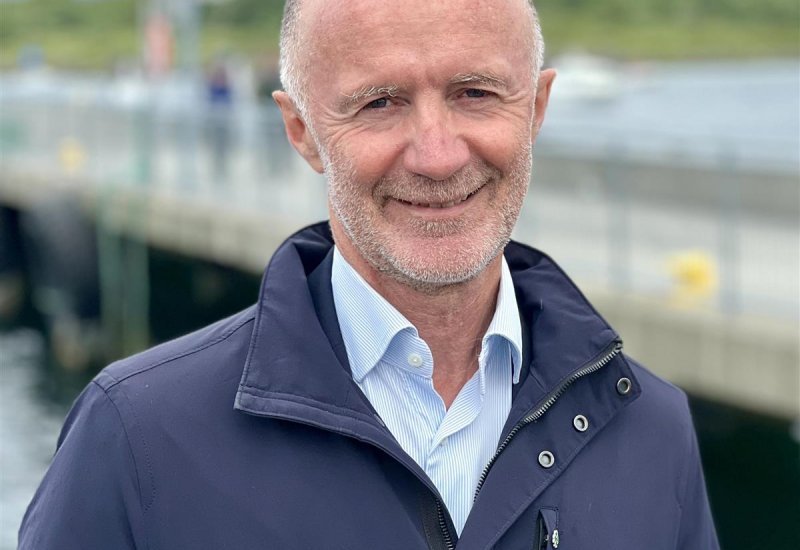
“The feasibility study builds on the municipalities’ own strengths and ideas, and shows that there is both optimism for the future and concrete opportunities for further development in coastal communities,” says Svein Øien Eggesvik, Nordland County Councillor for Business and Industry.The report was commissioned by Nordland County Council and explores opportunities for development in the municipalities of Øksnes, Moskenes, Flakstad, Værøy and Røst.
According to a press release from the county council, cited by NRK, the report identifies several potential areas for development, including local seafood processing, better utilisation of marine resources, sustainable tourism and stronger cooperation between local stakeholders.These initiatives could help create greater value, generate new jobs and build more resilient coastal communities at a time when lower cod quotas are putting increased pressure on the fishing industry.
“We will now take a closer look at the report and consider how we can contribute to positive development in cooperation with the municipalities,” Eggesvik says.
Photo: NCC
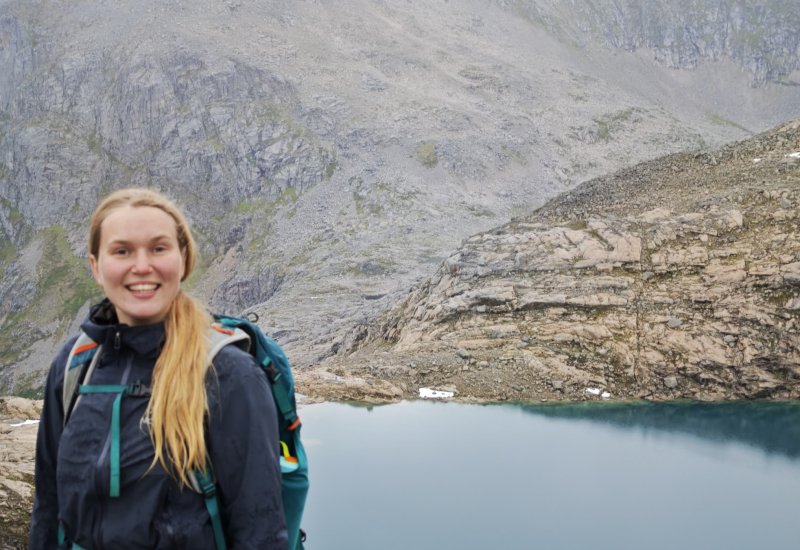
We are delighted to introduce Helene Hem as a newly hired legal adviser in SALT. She holds a Master of Laws from UiT The Arctic University of Norway in Tromsø, graduating in 2025. Helene comes from a one-year position as a university lecturer in law, where she taught, among other subjects, administrative law and environmental law.
Helene is passionate about sustainable nature and visitor management. At SALT, she will work on a broad range of projects with a focus on legal issues and regulatory frameworks. We are thrilled to welcome Helene to our team - and with her on board, SALT now has two highly skilled legal professionals on staff.
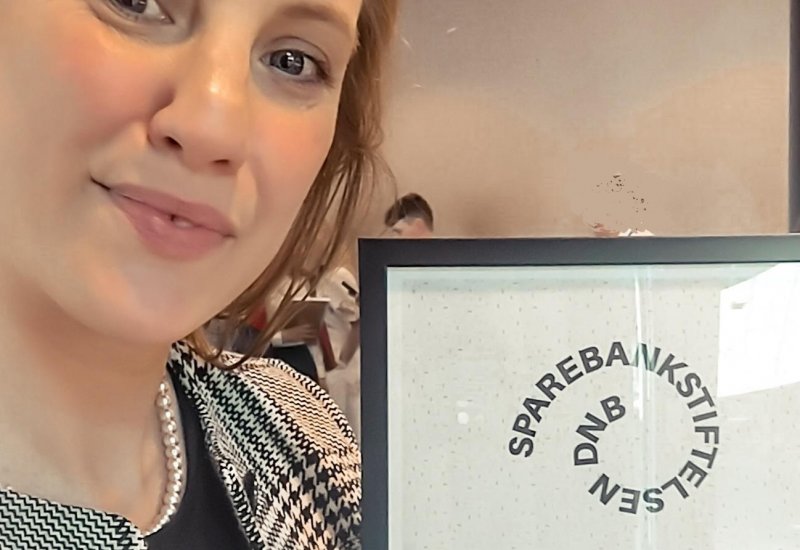
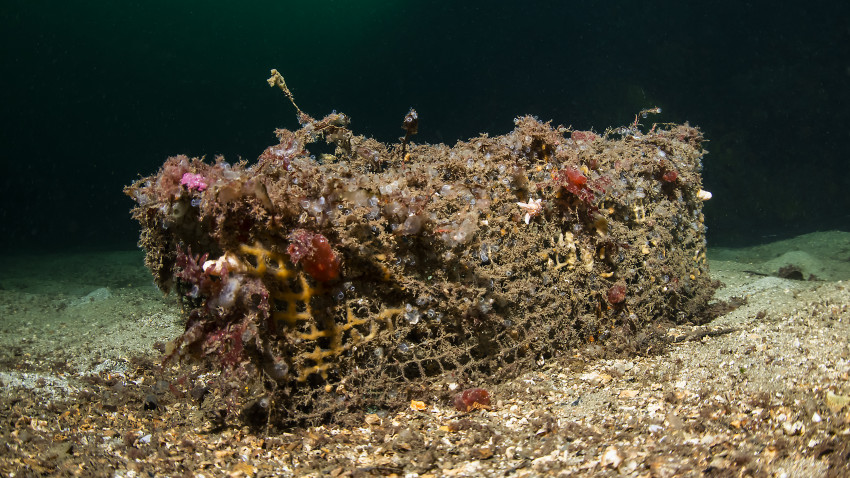
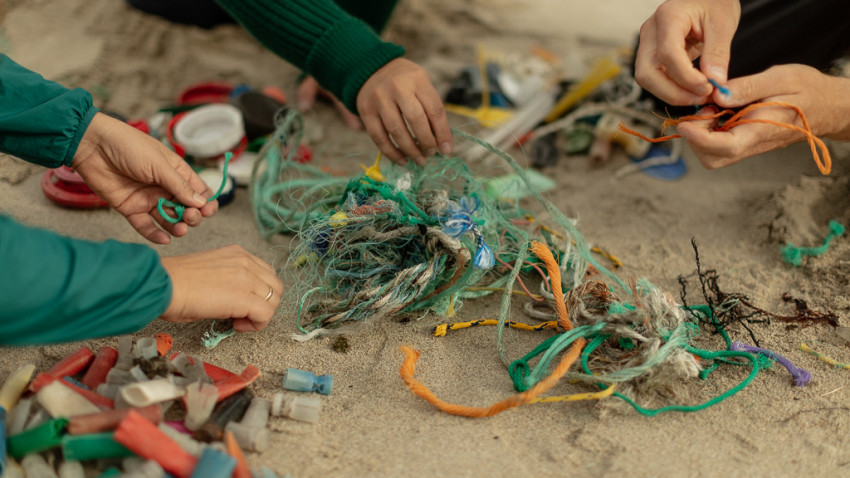
This week has brought a wave of good news for SALT. The highlight was attending the Sparebankstiftelsen DNB grant ceremony on Thursday, where NOK 750,000 were awarded to our project, “The Voice of the Sea.”
Through this project, we will collaborate with youth in Kragerø to co-create an interactive exhibition exploring consumption and marine litter. The exhibition will be shaped by the participants' own perspectives, ideas, and creative expressions, making them an integral part of the experience.
The project will also include educational programmes, workshops, and events where young people can share their experiences, discuss the challenges of marine pollution, and connect. We’re excited to get started and look forward to sharing more exciting project news soon.